
Why Flexibility Matters in Food Production, But Only If Standards Don’t Slip
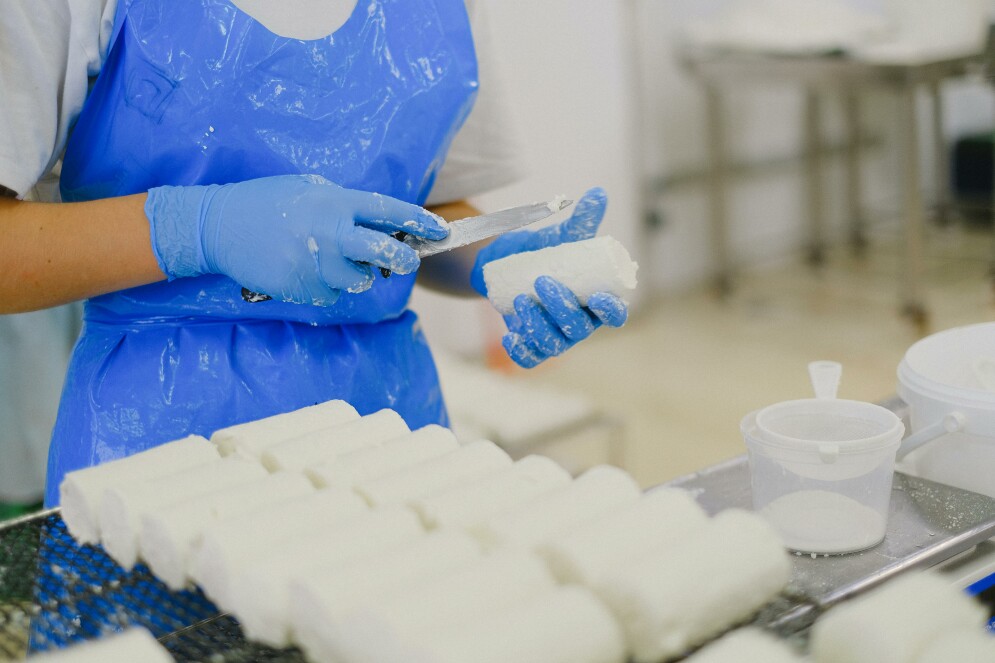
Food production doesn’t allow for shortcuts. Every part of the operation is built around consistency, hygiene and compliance.
Standards are high for a reason.
But demand doesn’t always follow the same pattern. Production volumes fluctuate. Orders increase. Seasonal demand hits. Absence and shift gaps still happen.
That creates a challenge.
You need flexibility in staffing, but you can’t afford to compromise on quality.
The risk with staffing gaps
When production teams are short, the pressure shows quickly.
Lines slow down. Existing staff are stretched. Supervisors are forced to make trade-offs just to keep things moving.
Bringing in additional staff should solve that problem. But in food production, it can also create risk.
If people aren’t familiar with the environment, standards can slip. Hygiene processes get missed. Mistakes happen. That’s not something most sites can afford.
Why flexibility still matters
Despite the risks, flexibility is still essential.
Relying purely on permanent teams doesn’t work in environments where demand changes.
You either end up short during busy periods, or carrying unnecessary cost when things slow down.
The operators who manage this well build flexibility into their staffing model.
They have access to additional people when they need them, without increasing long term headcount.
The difference is in the quality of staff
In food production, temporary staffing only works if the people coming in can operate to the required standard from day one.
That means understanding:
- hygiene and compliance expectations
- pace of production lines
- consistency and attention to detail
This is where experience matters.
At DGR, we support food production sites across Ireland with staff who are used to working in regulated environments.
People who understand what’s required and can slot into a line without disrupting it.
Not just filling a gap, but maintaining the standard.
Final thought
Flexibility is important in food production. But it only works if standards are maintained.
The sites that get this right don’t choose between the two. They build a model that delivers both.